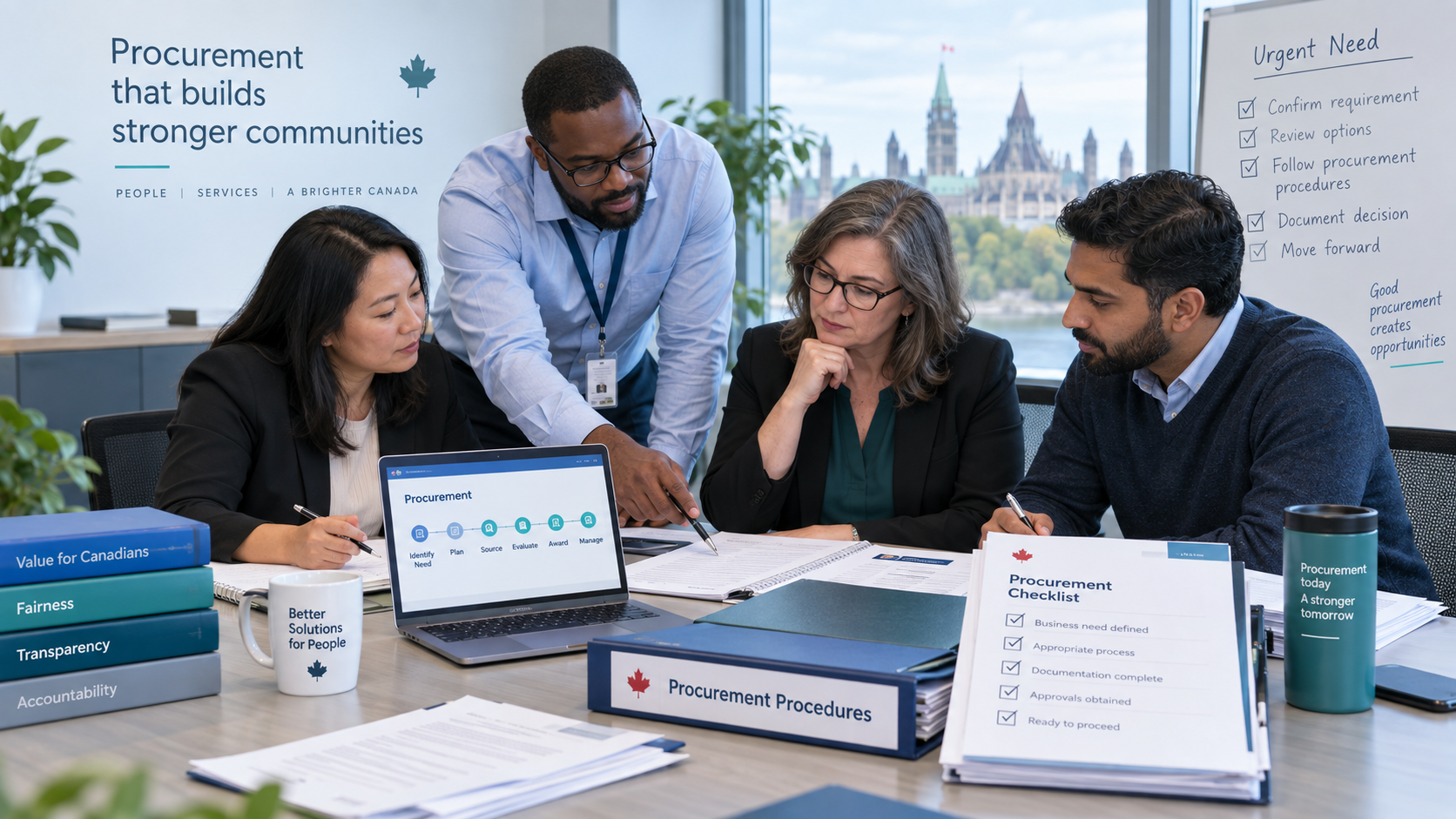
emergency procurement procedures
When a genuine public need cannot wait for the usual competition and approval timeline, an organization needs a controlled way to act quickly. Emergency procurement procedures provide that path. They help procurement teams respond to urgent risks while preserving authorization, documentation, fairness and public accountability.
Key Takeaways
- Emergency procurement procedures allow organizations to address urgent public needs without waiting for standard competition timelines.
- These protocols ensure that rapid responses maintain necessary authorization and documentation standards.
- Following established emergency rules helps procurement teams uphold fairness and public accountability during a crisis.
The goal is not to bypass procurement discipline. It is to apply the right controls for the circumstances, record why normal methods were not practical, and return to ordinary competitive practice when the urgent situation has passed.
What is emergency procurement procedures?
Emergency procurement procedures are documented rules for purchasing goods, services or construction when an unexpected situation creates an immediate risk to health, safety, essential operations, property or public service delivery. The situation must be genuinely urgent, not merely inconvenient or preferred by a stakeholder. A delayed planning cycle, an overlooked requirement or a supplier’s late response does not automatically justify emergency treatment.
A sound process identifies the event, explains the operational impact, confirms who may approve the purchase, and sets the limits of the authority granted. It may permit a direct award, a shortened quotation process or another exceptional method, depending on the organization’s policy and applicable legislation. The procurement file should still describe the requirement, estimated value, supplier selection rationale, pricing information, contract terms, funding source and delivery expectations. Where time allows, the buyer should seek more than one market option and document any reason that competition was not practical.
Authority matters. The employee requesting urgent support may not have authority to commit public funds. Approval may rest with a manager, chief procurement officer, delegated financial officer or another role named in policy. The responsible team should also define an end date, review commitments already made, and monitor supplier performance. These steps make fast purchasing defensible without treating urgency as a permanent exception.
Benefits of emergency procurement procedures

The first benefit is timely continuity. A municipality may need urgent repairs after a major failure, a public agency may require temporary equipment, or an essential service may face a sudden supply interruption. A defined process helps the organization secure a necessary response while decision-makers have clear information about scope, cost, risk and delivery.
The second benefit is controlled flexibility. Normal competitive procurement supports fairness and value, yet a full solicitation may not suit an immediate threat. Emergency procurement procedures establish boundaries around an exception. A written approval threshold, limited scope, price check, conflict declaration and contract review can reduce the risk of unnecessary spending while allowing the organization to move at an appropriate speed.
These procedures also strengthen the audit trail. A complete record allows an internal reviewer, auditor, council, board or other oversight body to understand what happened and why. Good documentation can show the original condition, alternatives considered, supplier contact, negotiations, purchase authorization, invoices, receiving records and follow-up actions. This protects public trust and gives the team a basis for improving its response plan.
Clarity can improve collaboration with stakeholders. When requesters know the information required, they are more likely to provide an operational impact, timeline, budget estimate and technical specification at the outset. Procurement becomes a partner in risk management rather than a perceived roadblock. The process also discourages routine requests from being labelled urgent when they can be planned through a regular competitive method.
For professionals building this judgement, Procurement Training. Individual offers a Comprehensive progression path from beginner to procurement expert. It provides Canadian-focused public sector procurement training with PDP certification and a Combination of self-directed learning with instructor-led live sessions. Procurement Training. Individual can help learners connect policy, ethics, risk, contract management and practical decision-making in a structured way.
How to Choose emergency procurement procedures
Choosing an appropriate emergency purchasing route begins with the facts, not the preferred supplier or the requester’s sense of urgency. Confirm the event, the immediate harm that could occur without action, the required delivery date and the service or asset needed. The Guide on the Exceptional Contracting Limit for Sustained Emergencies of National Importance explains a specific federal process for the rare sustained emergencies within its scope and the responsibilities that continue during such a response. It is intended for its stated federal audience. Other Canadian organizations should use the emergency definitions, authorities and procedures that apply to them.
Next, identify the least exceptional method that can meet the need. A shortened quotation process may be suitable when several suppliers can respond quickly. A direct award may be defensible when only one source can provide the required service within the available time, although that rationale should be recorded. Consider scope, estimated value, market availability, technical requirements, delivery risk, conflicts of interest and pricing evidence. Do not purchase more than the urgent situation requires. A temporary contract, limited term or defined quantity can support continuity while a regular competitive procurement is prepared.
Approval must come from the person or role named in the organization’s policy. A requester may describe the operational need, but that does not necessarily authorize a financial commitment. Check delegated authority, funding approval, contract signing rules and any required senior review. The file should contain the business justification, specifications, supplier research, price checks, negotiation notes, conflict declarations, approval record, purchase order or contract, invoice, receiving confirmation and supplier performance notes. For its federal audience, the Directive on the Management of Procurement sets responsibilities for procurement management, records and oversight. Other organizations should follow the authority and record rules that apply to them.
Set financial and operational controls before committing funds. Use payment, milestone and delivery-verification controls that fit the contract and governing authority. Confirm insurance, safety requirements, privacy obligations, warranty terms, substitution rules and escalation contacts. Establish an end date and review whether the requirement has moved beyond the emergency phase. The Treasury Board emergency guide states that stewardship, security, supplier-integrity and documentation responsibilities continue within the federal emergency framework it covers. For Canadian practitioners building this judgement, Procurement and contracting procedures manual can help teams formalize authority, documentation and emergency purchasing controls.